
Well Drilling & Pump Repair in Jesup, GA
Local well drilling contractors serving Wayne County — new well installation, pump repair, water testing, and pressure tank service. Free estimates on all well drilling projects.
What We Do
Well Drilling & Water Services in Wayne County
From new well installation to pump repair and water quality testing — complete well services for Jesup area homeowners, farms, and rural properties.
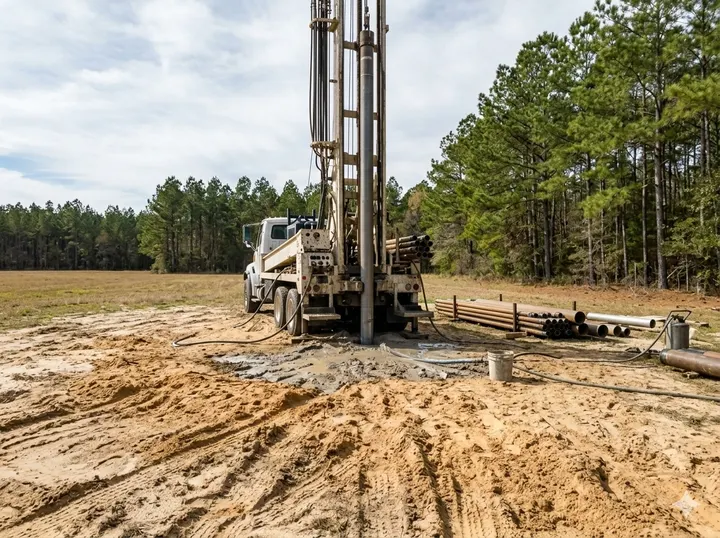
Well Drilling
New residential and rural water well drilling to the Upper Floridan Aquifer throughout Wayne County. Includes Georgia EPD permitting, steel casing, and pump installation.
Learn more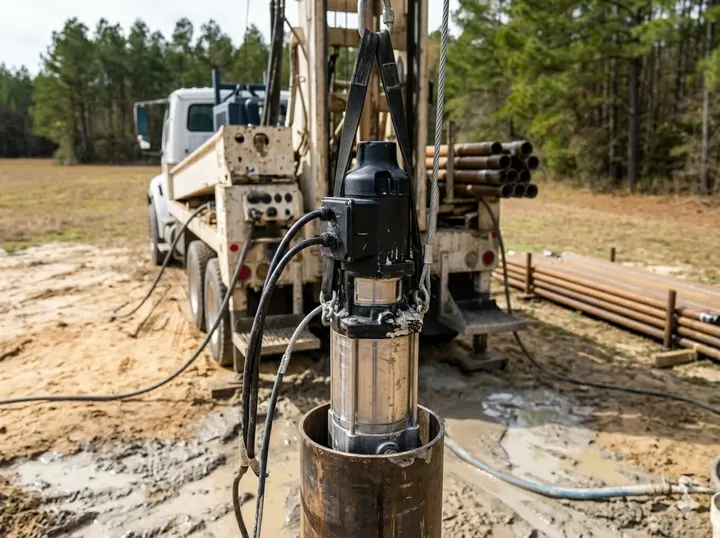
Pump Repair
Submersible and jet pump diagnosis, motor replacement, and pressure switch service. If your well has no water, low pressure, or rapid cycling — we find and fix the cause.
Learn more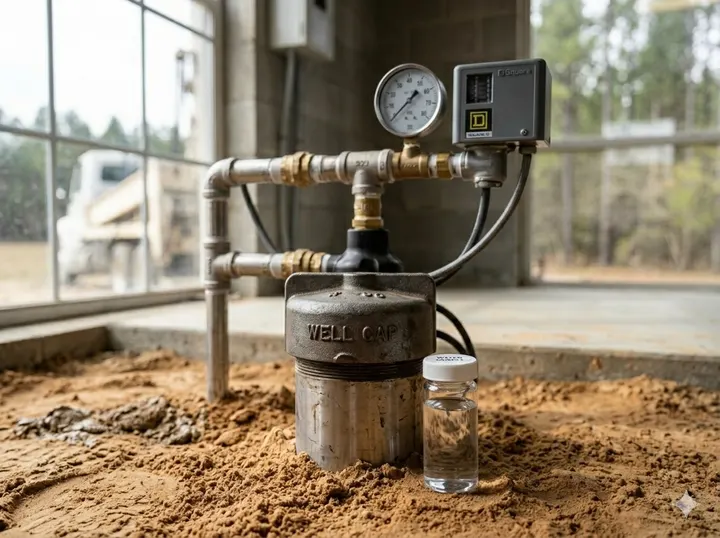
Well Inspection
Complete well inspections for real estate transactions and routine condition checks — includes flow testing, casing integrity, static water level, and water quality sampling.
Learn more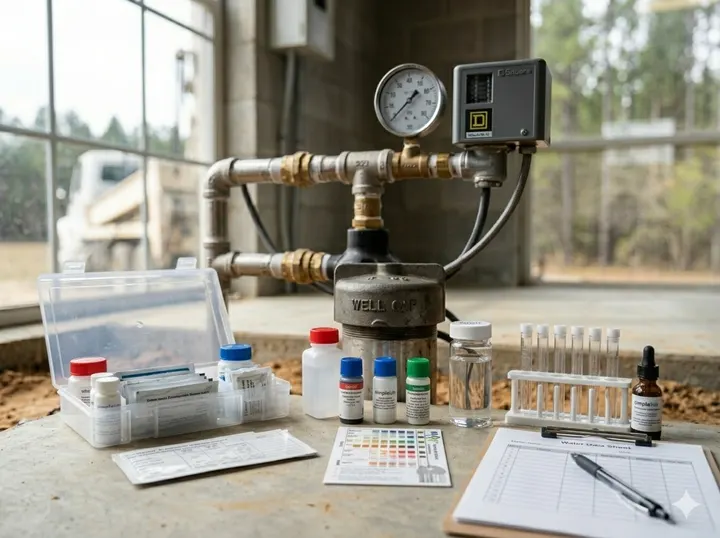
Water Testing
Certified well water testing for bacteria, nitrates, hardness, pH, iron, and contaminants common in Floridan aquifer groundwater. Annual testing recommended for Wayne County wells.
Learn more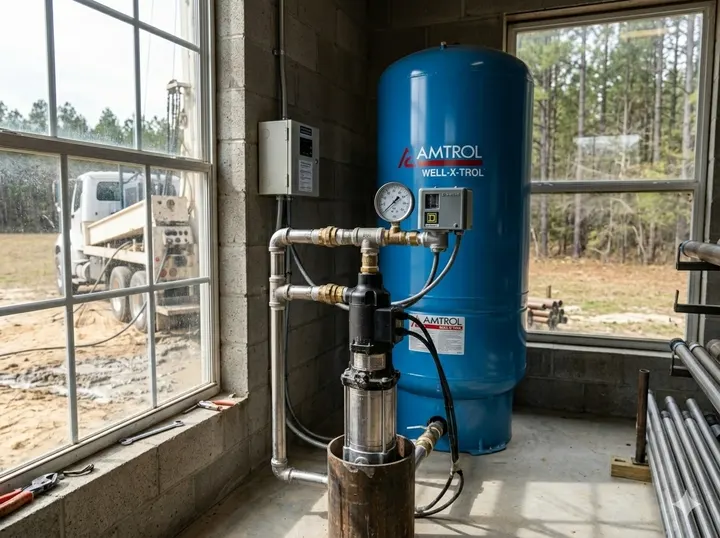
Pressure Tank Service
Pressure tank inspection, waterlogged tank diagnosis, bladder replacement, and system sizing. Stops rapid pump cycling that burns out motors early.
Learn more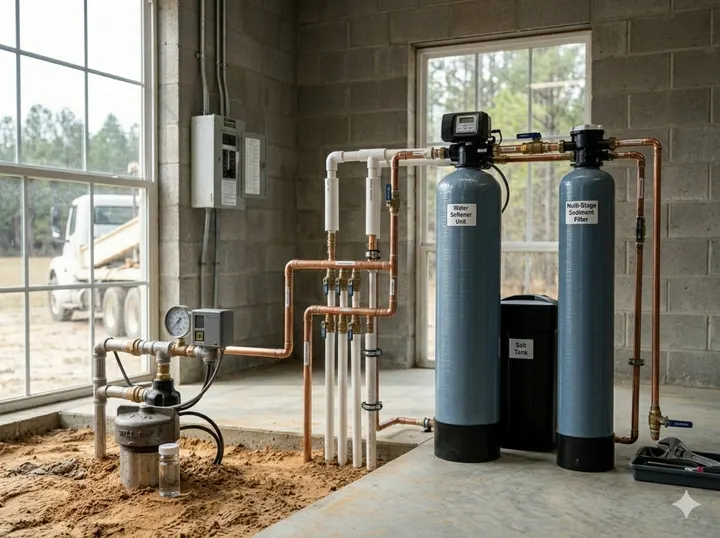
Water Treatment
Iron filtration, water softening, UV disinfection, and hydrogen sulfide removal for Wayne County well water. Addresses the mineral content common in Floridan aquifer groundwater.
Learn more
Why Jesup Well
Local Well Contractors Who Know Wayne County
We drill wells throughout Wayne County — Jesup, Odum, Screven, Gardi, and the surrounding communities. The Floridan Aquifer is our home territory. We know the local geology, the EPD permit process, and what it takes to drill a well that lasts decades.
- Georgia EPD permit applications prepared and filed on every drilling project
- Proper casing and grouting to EPD standards — no shortcuts on contamination protection
- Full system installation — drilling, pump, pressure system — one project, one contractor
- Free estimates on all new well drilling — honest pricing based on your actual site
Well Drilling — Frequently Asked Questions
How much does it cost to drill a well in Jesup, GA?
A complete residential well in Wayne County — drilling, casing, submersible pump, pressure system, and Georgia EPD permit — typically ranges from $5,000 to $12,000. The largest cost variable is target depth. Wells in the Jesup area reach the Upper Floridan Aquifer at 100 to 250 feet depending on location, with typical yields of 5 to 20 gallons per minute for household use. The best way to get a reliable number is to request a free site assessment for your specific property.
How deep does a well need to be in Wayne County?
In Wayne County, Georgia, residential water wells typically reach the Upper Floridan Aquifer at depths between 100 and 250 feet. The coastal plain geology here means sandy loam near the surface, with productive limestone aquifer rock at depth. The exact depth varies by location within the county — properties near the Altamaha River corridor may reach water at shallower depths, while other areas require deeper drilling. We review Georgia EPD well logs for nearby parcels before recommending a target depth for your property.
Is a permit required to drill a well in Georgia?
Yes. Georgia law requires a well construction permit from the Georgia Environmental Protection Division (EPD) before drilling any new water well. Wayne County falls under the EPD Southeast District. The permit application identifies the proposed well location, intended use, and construction method. EPD permit review in Wayne County typically takes 7 to 21 business days. Jesup Well prepares and submits the permit application as part of every new drilling project — you don't navigate the state paperwork alone.
How long does it take to drill a well?
The drilling itself typically takes one to three days for a residential well in Wayne County, depending on depth and soil conditions. The full process — EPD permitting, site preparation, drilling, casing installation, pump setup, and initial water testing — generally takes two to four weeks from initial contact to a functioning system. Georgia EPD permit review is usually the longest step in the timeline.
How often should well water be tested?
The State of Georgia recommends testing private well water annually. In Wayne County and throughout southeast Georgia, testing should cover bacteria (coliform), nitrates, pH, iron, and hardness — contaminants common in Floridan aquifer groundwater. Additional testing is recommended after flooding, nearby construction, or any changes in taste, odor, or color. Annual testing protects your family and identifies treatment needs before problems become serious.
How do I know if my well pump is going bad?
Common signs of a failing well pump include low or fluctuating water pressure, air sputtering from faucets, a pump that runs continuously without building pressure, discolored or cloudy water, and a sudden increase in your electricity bill. If your pump is cycling on and off rapidly or you hear unusual noises from the pressure tank area, that often indicates a waterlogged tank or a failing pump. Early service prevents a complete loss of water supply.
What water quality problems are common in Wayne County wells?
Wells tapping the Upper Floridan Aquifer in Wayne County commonly show elevated iron, manganese, and hardness — the result of groundwater contact with limestone and mineral-rich formations. Hydrogen sulfide (rotten egg odor) is also reported in some areas. Tannins from organic matter in shallower formations can cause yellow discoloration. A water test after drilling identifies what treatment, if any, is needed — iron filters, water softeners, carbon filters, or UV disinfection depending on results.
What do I do if my well stops working?
Start by checking the circuit breaker for the well pump — tripped breakers after storms or power surges are the most common cause of sudden water loss. If the breaker is on and the pump is still not delivering water, the issue is likely a failed submersible pump, a waterlogged pressure tank, or a well that has temporarily lost yield during dry conditions. All of these require a licensed well service technician to diagnose. Fill out our quote form describing the issue and we will respond promptly.
Can you drill a well anywhere on your property?
Not anywhere — Georgia EPD sets minimum setback distances that govern well placement. In Wayne County, a residential water well must be at least 50 feet from any septic tank or drain field, 10 feet from property lines, and set back from surface drainage features. There are also setback requirements from fuel storage tanks and other potential contamination sources. We evaluate every property before recommending a drill site, checking setbacks, access for the drill rig, and local well logs to identify the best placement.
Can a well run dry in Wayne County?
Wells tapping the Upper Floridan Aquifer in Wayne County rarely run permanently dry — it is a large, productive confined aquifer. However, during extended drought or periods of heavy irrigation demand, shallower wells or wells with marginal yield can experience temporary low production. Signs include sputtering faucets, cloudy water with sediment, and reduced flow. If your well is consistently underperforming, it may need to be deepened or a new well drilled to a more productive zone. A well inspection can measure your current yield and static water level to determine the best course of action.
Get a Free Well Drilling Quote
Serving Jesup, Odum, Screven, Gardi, and all of Wayne County. We'll respond with an honest estimate based on your property and drilling requirements. For county information, visit Wayne County, Georgia.